Toilet Bowl: A Complete Guide to Types, Features, and Maintenance
A Toilet Bowl is one of the most essential fixtures in any bathroom, playing a vital role in maintaining hygiene and comfort. Whether in residential homes, commercial spaces, or public facilities, choosing the right option can make a significant difference in cleanliness, water efficiency, and overall user experience. Understanding its types, materials, and maintenance requirements helps ensure long-term functionality and convenience.
What Is a Toilet Bowl?
A toilet bowl is the lower part of a toilet that holds water and receives waste. It is connected to a flushing system that removes waste through a drainage system. Modern designs focus on efficiency, comfort, and ease of cleaning, making them far more advanced than older models.
These fixtures are typically made from durable ceramic materials such as porcelain, which is resistant to stains and scratches. The smooth surface ensures proper sanitation and reduces the buildup of bacteria.
Types of Toilet Bowl Designs
There are several types available, each suited to different needs and bathroom layouts. Selecting the right one depends on space, design preference, and functionality.
1. One-Piece Design
This style combines the tank and bowl into a single unit. It offers a sleek appearance and is easier to clean due to fewer crevices. It is commonly used in modern bathrooms.
2. Two-Piece Design
In this traditional style, the tank and bowl are separate components. It is more affordable and easier to repair, making it a popular choice for many households.
3. Wall-Mounted Option
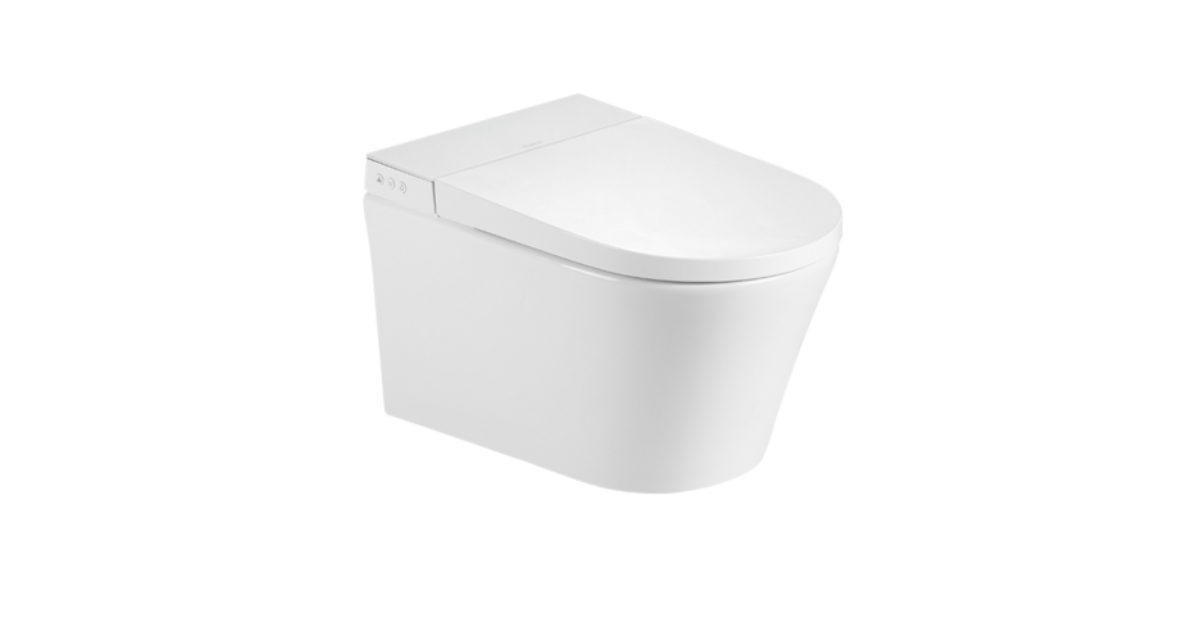
This type is fixed to the wall, with the tank hidden behind it. It saves space and provides a contemporary look, ideal for small bathrooms.
4. Smart Toilets
Advanced models come with features like automatic flushing, heated seats, and bidet functions. These offer enhanced comfort and hygiene.
Materials Used
The durability and performance of a toilet bowl largely depend on the material used in its construction.
- Porcelain: The most common material, known for its durability and easy maintenance.
- Vitreous China: A type of porcelain coated with enamel for added strength and shine.
- Stainless Steel: Used mainly in commercial or industrial settings due to its durability and resistance to vandalism.
Each material offers unique advantages, but porcelain remains the most preferred choice for residential use.
Key Features to Consider
When selecting a toilet bowl, several features should be taken into account to ensure efficiency and comfort.
Water Efficiency
Modern toilets are designed to use less water while maintaining effective flushing. Look for models with dual-flush systems that allow users to choose between full and partial flush.
Shape and Size
Elongated bowls provide more comfort, while round ones are ideal for smaller spaces. Measuring your bathroom space is essential before making a decision.
Flush Mechanism
Gravity-fed systems are common and reliable, while pressure-assisted systems offer more powerful flushing. The choice depends on personal preference and plumbing compatibility.
Height
Comfort height models are slightly taller, making them easier to use, especially for elderly individuals.
Installation Process
Installing a toilet bowl requires basic plumbing knowledge. While professional installation is recommended, understanding the process can be helpful.
- Remove the old unit carefully.
- Check the flange and replace it if damaged.
- Position the new fixture and secure it with bolts.
- Connect the water supply and test for leaks.
Proper installation ensures efficient performance and prevents water damage.
Maintenance Tips
Regular maintenance is essential to keep a toilet bowl clean and functioning properly. Neglecting upkeep can lead to stains, odors, and plumbing issues.
Daily Cleaning
Use a mild cleaner and brush to remove stains and maintain hygiene. Avoid harsh chemicals that may damage the surface.
Preventing Clogs
Avoid flushing non-biodegradable items such as wipes, sanitary products, or paper towels. These can block the drainage system.
Checking for Leaks
Inspect connections regularly to ensure there are no leaks. Even small leaks can waste a significant amount of water over time.
Descaling
Hard water can cause mineral buildup. Using a descaling solution helps maintain smooth operation and appearance.
Common Problems and Solutions
Even with proper care, issues may arise over time. Knowing how to handle them can save time and money.
- Weak Flush: This may be caused by low water levels or clogged rim holes. Cleaning and adjusting the water level usually resolves the issue.
- Constant Running Water: Often due to a faulty flapper or valve. Replacing these components is a simple fix.
- Cracks or Leaks: Minor cracks can worsen over time, so replacing the unit may be necessary.
Addressing problems early prevents more serious damage.
Choosing the Right Option for Your Home
Selecting the best toilet bowl depends on your specific needs, budget, and bathroom design. Consider factors such as water efficiency, comfort, and ease of maintenance.
For modern homes, one-piece or wall-mounted designs are popular due to their sleek appearance. For budget-conscious buyers, two-piece models offer excellent value without compromising performance.
Additionally, eco-friendly models help conserve water, making them a sustainable choice for environmentally conscious households.
Importance of Hygiene
Maintaining a clean toilet bowl is crucial for overall health and sanitation. Bathrooms are breeding grounds for bacteria, and proper cleaning reduces the risk of infections.
Using disinfectants regularly and ensuring proper ventilation can significantly improve hygiene. Encouraging good habits, such as flushing properly and cleaning frequently, also plays an important role.
Conclusion
A toilet bowl is a fundamental part of any bathroom, and choosing the right one can greatly enhance comfort, efficiency, and hygiene. With various designs, materials, and features available, there is an option to suit every need and budget.
Regular maintenance, proper usage, and timely repairs ensure long-lasting performance. By understanding the different types and features, you can make an informed decision and create a clean, functional bathroom space that meets your requirements.